
Essential Oral Hygiene
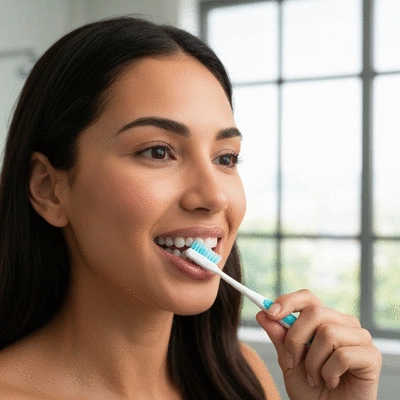
- Use a soft-bristled toothbrush.
- Floss daily with waxed dental floss.
- Choose non-abrasive toothpaste.
Prevents damage & discoloration
Proper aftercare is crucial for maintaining the longevity and appearance of your dental bonding. With just a few simple practices, you can ensure your smile remains radiant for years to come!
Maintaining your dental bonding is crucial for its longevity and aesthetic appeal. The following visual outlines essential aftercare practices to keep your smile bright and healthy.
Prevents damage & discoloration
Maintains aesthetics & integrity
Ensures long-term success
Empowers proactive health
After getting dental bonding, it's essential to understand how to care for your newly bonded teeth. Proper aftercare can significantly affect the longevity and appearance of your bonding. Neglecting this important step may lead to issues like chipping or discoloration, which can be avoided with just a little extra effort!
At Fort Myers Dental Care, we emphasize that taking care of your bonded teeth is just as crucial as the bonding procedure itself. By following recommended aftercare practices, you ensure that your smile remains bright and beautiful for years to come. For more detailed guidance, the American Dental Association offers comprehensive resources on dental bonding care.
Understanding what to do after dental bonding can make a big difference. Proper aftercare helps in maintaining the bond's durability and overall function. Here are some key reasons why aftercare is vital:
By adhering to these practices, you can enjoy your dental bonding without unnecessary worry. Remember, your aftercare routine plays a crucial role in your oral health!
Dental bonding is a fantastic way to enhance your smile. It can repair chips, close gaps, and improve the overall appearance of your teeth. With its natural look and feel, bonding helps boost your confidence! At Fort Myers Dental Care, we see our patients leave with brighter smiles and renewed self-esteem.
Additionally, the quick process makes dental bonding a go-to solution for many. It's less invasive than other procedures and can typically be completed in just one visit. This means you can enjoy your improved smile without extended waiting times.
Maintaining oral hygiene for bonded teeth is crucial in ensuring they last. Just like with natural teeth, your bonded areas need special attention to stay clean and healthy. Here are some essential practices to follow:
By integrating these practices into your daily routine, you not only support the longevity of your dental bonding but also maintain overall oral health. A healthy mouth supports a radiant smile!
When it comes to brushing your bonded teeth, using a gentle approach is key. A soft-bristled toothbrush is perfect because it effectively cleans your teeth without causing abrasion to the bonding material. Make sure to brush gently yet thoroughly to remove plaque buildup without damaging your bonding.
These simple techniques can make a significant difference in the appearance and durability of your bonded teeth!
Flossing is equally important for your bonded teeth. It helps remove food particles and plaque from areas that your toothbrush might miss. Here are some effective flossing strategies:
Incorporating these strategies into your routine can significantly enhance your oral hygiene. Plus, it helps prevent issues that could compromise your dental bonding!
Choosing the right type of dental floss is crucial! Here are some recommended options:
These choices make it easier to keep your bonded teeth clean and healthy, ensuring your smile stays bright!
The type of toothpaste you use can greatly impact your bonding. Non-abrasive toothpaste is essential to avoid scratching the bonding material. When shopping for toothpaste, look for options specifically labeled as safe for sensitive or cosmetic dental work.
Using the right toothpaste, in combination with consistent brushing and flossing, will help maintain both your dental bond and overall oral health! For more information on caring for your dental bonding, Colgate provides excellent advice on what to expect and how to care for it.
To maximize the longevity of your dental bonding, consider limiting your intake of staining foods and beverages such as coffee, tea, and red wine. Additionally, avoid biting hard objects like ice or pens, which can put unnecessary stress on the bonded area.
With proper care and maintenance, dental bonding can last anywhere from 3 to 10 years before needing repair or replacement. Its longevity largely depends on your oral hygiene habits and dietary choices.
Yes, dental bonding can stain, especially if you frequently consume dark-colored beverages like coffee, tea, and red wine, or if you smoke. Using non-abrasive toothpaste and regular cleaning can help minimize staining.
It's best to avoid hard foods (like nuts, ice, or hard candies) and sticky foods (like caramel or taffy) that can chip or dislodge the bonding material. Also, limit foods and drinks known to cause stains.
Absolutely. Daily flossing is crucial to remove food particles and plaque from between your teeth and around the bonded areas. Use waxed dental floss or other recommended tools to prevent issues that could compromise your bonding.
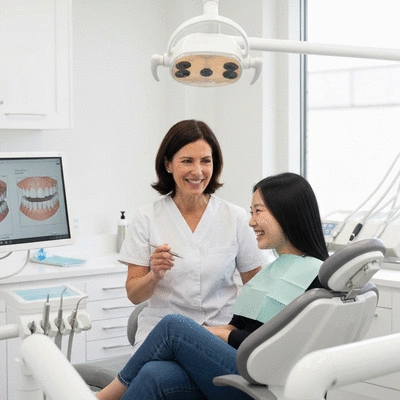
Regular dental check-ups, typically every six months, are highly recommended. Your dentist can monitor the condition of your bonding, perform professional cleanings, and address any potential issues early.
Taking care of your bonded teeth is essential for ensuring they remain both functional and attractive. Proper aftercare can extend the life of your bonding and maintain your smile's brilliance. Here are some key takeaways to keep in mind:
By following these practices, you're not just protecting your dental investments but also contributing to your overall oral health. Remember, a little diligence goes a long way in keeping your bonded smile looking great! For further insights on how to maintain your bond, the American Dental Association provides valuable information on dental bonding care.
Throughout this guide, we’ve highlighted several important aspects of dental bonding care. Here’s a quick summary:
Focusing on these practices can significantly enhance the longevity of your bonding and keep your smile radiant. I often remind my patients that a proactive approach can save them from potential issues down the road!
It's essential to be proactive about your dental care. Regular visits to your dentist not only help in maintaining your bonding but also allow for early detection of any issues. During your visits, don't hesitate to discuss any concerns or questions you might have about your bonded teeth.
In our practice at Fort Myers Dental, we emphasize the importance of patient education. By staying informed and asking the right questions, you can ensure that your dental health remains a top priority!
Your dental care provider is your best resource when it comes to maintaining your bonding and overall oral health. They can provide personalized recommendations tailored to your specific needs. Here are a few reasons why it’s crucial to engage with your dental team:
Having a strong relationship with your dentist will empower you to take charge of your dental care and get the most out of your bonding procedure.
To ensure the long-term success of your dental bonding, make it a habit to implement the best practices discussed in this guide. Prioritize regular dental visits, maintain good oral hygiene, and stay informed about your dental care options.
At Fort Myers Dental, we are committed to helping you navigate your oral health journey. We encourage you to ask any questions or express concerns during your visits, as this will help us tailor the best care for your needs.
In addition to regular consultations, I recommend accessing additional resources for patient education. Our website offers a wealth of information on a variety of dental topics, including:
Taking advantage of these resources can help you stay informed and proactive, ultimately leading to a healthier and happier smile!
Here is a quick recap of the important points discussed in the article:
[Insert a short professional or descriptive bio here.] This space is ideal for sharing a bit about the person's expertise, role, or approach. Keep it clear and engaging to convey
At Your Business Name, we are dedicated to delivering exceptional services that empower and inspire. Our mission is to help you succeed and achieve your goals with confidence.
123 Business Street, Your City