Choosing between Invisalign and traditional braces can drastically impact your dental journey. With unique advantages tailored to different needs, knowing the key differences will empower you to make the best choice for your smile.
What You Will Learn
Invisalign offers a discreet option, making it appealing for those who value aesthetics.
Removable aligners provided by Invisalign enhance comfort and ease of maintaining oral hygiene.
Traditional braces excel in treating complex dental issues such as severe misalignments and jaw positioning problems.
Treatment duration with Invisalign is typically shorter, averaging 12 to 18 months as opposed to 18 months to 3 years for traditional braces.
Invisalign vs. Traditional Braces: Key Differences and Benefits
This comparison highlights the primary distinctions between Invisalign and Traditional Braces, focusing on aspects critical for Fort Myers residents making an informed decision about their orthodontic treatment.
Invisalign: The Clear Aligners Advantage
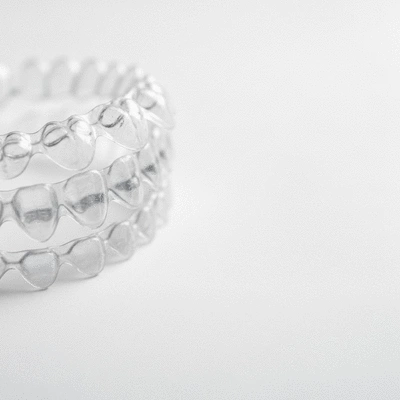
✓Appearance: Virtually invisible clear aligners.
✓Comfort: Smoother, less irritation due to no metal brackets.
✓Removability: Can be removed for eating, brushing, flossing. Easier oral hygiene.
✓Treatment Duration: 12-18 months (mild to moderate cases); often faster than traditional braces.
Traditional Braces: Precision for Complex Cases
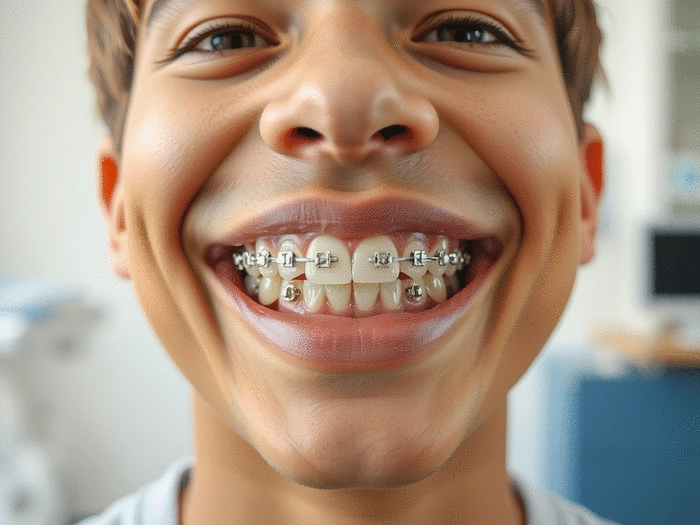
✗Appearance: Noticeable metal brackets and wires.
✗Comfort: Can cause initial discomfort and irritation from brackets/wires.
✗Removability: Fixed in place; requires more effort for oral hygiene.
✓Treatment Duration: 18 months to 3 years (complex cases); necessary for severe misalignments.
Understanding the Differences: Invisalign vs. Traditional Braces for Fort Myers Residents
As a local dentist in Fort Myers, I've seen firsthand how many patients are navigating the choice between Invisalign and traditional braces. Making this decision is crucial, as it can significantly impact not only the appearance of your smile but also your comfort and treatment duration. In this section, I'll break down the key differences and benefits of each option, helping you make an informed choice tailored to your needs.
Why Local Fort Myers Residents Need to Compare Orthodontic Treatments
In Fort Myers, residents often find themselves asking: which orthodontic treatment is right for me? Comparing Invisalign and traditional braces is essential because both methods offer unique advantages depending on individual circumstances. Furthermore, understanding these differences can help you align your choice with your lifestyle, personal preferences, and dental health needs.
Personal aesthetics: Many prefer the discreet look of clear aligners.
Comfort levels: Some patients find braces less comfortable than removable aligners.
Treatment goals: Complex dental issues may require the precision of traditional braces.
By weighing these factors, you'll be better equipped to choose the best orthodontic treatment for your journey to a healthier smile!
Overview of Invisalign: The Clear Aligners Advantage
Invisalign is revolutionizing how we think about orthodontics. These clear aligners are not only aesthetically pleasing, but they also offer a range of benefits that many patients appreciate. Let’s dive deeper into what makes Invisalign stand out!
What Makes Invisalign Stand Out for Aesthetic Appeal?
For those seeking discretion, Invisalign is often the clear winner. The transparent aligners are virtually invisible, allowing patients to straighten their teeth without the noticeable metal brackets associated with traditional braces. This aesthetic appeal is one of the primary reasons many Fort Myers residents prefer this option. Research published in the National Library of Medicine highlights the growing acceptance and effectiveness of clear aligners like Invisalign.
Comfort and Convenience: Removability and Hygiene Benefits
Another significant advantage of Invisalign is its removability. You can take the aligners out while eating, brushing, and flossing, which makes maintaining oral hygiene easier than with traditional braces. Plus, patients typically report that these aligners are more comfortable, without the irritation that metal brackets can cause. This aspect is often cited as a major benefit in studies comparing orthodontic treatments, such as those found in Biomedical Journal of Scientific & Technical Research.
Evaluation of Treatment Timeline: How Fast is Invisalign?
Many patients wonder just how long treatment with Invisalign takes. On average, treatment can be completed in as little as 12 to 18 months, depending on the complexity of each case. This timeline can be significantly shorter than that of traditional braces, which can range from 18 months to 3 years.
Advanced Technologies Behind Invisalign: Exploring 3D Imaging and Customization Options
Invisalign utilizes advanced 3D imaging technology to create custom aligners for each patient. This personalized approach not only improves the fit but also enhances treatment effectiveness. By leveraging these cutting-edge technologies, Invisalign can precisely map out the movements required to achieve your desired smile. The precision of such technology is further elaborated in scientific publications like those in the Journal of Clinical Orthodontics.
Exploring the Benefits of Traditional Braces for Orthodontic Needs
While Invisalign has its perks, traditional braces remain a popular choice for many Fort Myers residents. Understanding when traditional braces might be the right option can help you determine the best route for your orthodontic treatment.
Precise Correction: When Are Traditional Braces the Right Choice?
For some patients, particularly those with more complex orthodontic issues, traditional braces may be the best solution. They provide precise corrections for a variety of dental alignments that Invisalign may not be able to address as effectively.
Overbites and underbites
Severe tooth misalignment
Jaw positioning issues
In these cases, the strength and reliability of traditional braces can be more advantageous, ensuring effective treatment for intricate dental conditions.
Treating Complex Cases: Overbites, Underbites, and Jaw Issues
Traditional braces excel at treating cases involving significant overbites, underbites, and other jaw alignment issues. Their ability to apply consistent pressure on teeth allows for more nuanced adjustments, which is vital for these complex cases.
Long-Term Efficacy: Success Rates for Severe Cases
When it comes to long-term results, traditional braces have a proven track record of success. They can effectively correct severe misalignments that may otherwise require more extensive intervention if left untreated.
Understanding the Role of Traditional Braces in Bite Correction and Misaligned Teeth Treatment
Traditional braces play a pivotal role in correcting bite issues and misaligned teeth. By utilizing brackets and wires, they can guide teeth into their appropriate positions over time, promoting not only aesthetic improvements but also enhancing overall oral health by ensuring proper bite function.
Pro Tip
When considering your orthodontic options, it’s essential to consult with your orthodontist about your specific dental needs. They can provide insights into which treatment may yield the best results based on your unique situation. Don't hesitate to ask about potential advancements in technology, as newer methods may offer even greater comfort and efficiency!
Frequently Asked Questions (FAQs)
What are the main differences between Invisalign and traditional braces?
Invisalign uses clear, removable aligners that are virtually invisible, while traditional braces consist of noticeable metal brackets and wires that are fixed. Invisalign offers greater comfort and easier oral hygiene due to removability, and often has a shorter treatment duration for mild to moderate cases. Traditional braces are typically more effective for complex orthodontic issues like severe misalignments, overbites, and jaw problems.
How long does Invisalign treatment typically take?
Invisalign treatment usually takes 12 to 18 months for mild to moderate cases. This can be significantly shorter than traditional braces, which often require 18 months to 3 years of treatment.
Can Invisalign treat all orthodontic issues?
While Invisalign is effective for a wide range of cases, traditional braces are often recommended for more complex orthodontic issues, including severe overbites, underbites, significant tooth misalignment, and jaw positioning problems. Your orthodontist will determine which treatment is best for your specific condition.
What are the benefits of Invisalign regarding comfort and hygiene?
Invisalign aligners are smoother and generally cause less irritation than metal braces. They are also removable, which allows for easier eating, brushing, and flossing, thus simplifying oral hygiene maintenance during treatment.
Why might someone choose traditional braces over Invisalign?
Patients with complex orthodontic issues such as severe overbites, underbites, or major tooth misalignments often choose traditional braces. Traditional braces provide precise, continuous pressure that can effectively address these intricate problems, ensuring long-term efficacy and stable results.
Making an Informed Decision: Choosing the Best Orthodontic Treatment for You
When it comes to choosing the right orthodontic treatment, understanding the key differences between Invisalign and traditional braces is crucial. Each option has its unique benefits and considerations that can significantly impact your dental health and overall experience. In this section, we'll summarize these differences and help you determine the best fit for your lifestyle.
Firstly, let's recap the main distinctions:
Appearance: Invisalign offers a clear, nearly invisible solution, while traditional braces are more noticeable.
Comfort: Invisalign is generally more comfortable due to its smooth aligner design, whereas braces may cause initial discomfort from brackets and wires.
Removability: Invisalign can be removed for eating and cleaning, while braces are fixed in place throughout the treatment period.
Treatment Duration: Invisalign often leads to faster results for mild to moderate cases, but braces may be necessary for more complex issues.
With these factors in mind, you can see how your individual needs and preferences play a significant role in making the right choice.
Next Steps: Booking Your Consultation in Fort Myers
Once you've assessed your options, the next step is to schedule a consultation with a trusted orthodontist in Fort Myers, like our team at Dentist Fort Myers. This consultation is a perfect opportunity to discuss your concerns, ask questions, and gain insight into the treatment that will work best for you.
During your visit, you can expect the following:
Comprehensive Evaluation: Your orthodontist will perform a thorough examination of your teeth and jaw alignment.
X-rays and Imaging: Advanced imaging technology may be used to give a detailed view of your dental structure.
Personalized Treatment Plan: You’ll receive a tailored plan that outlines your options, treatment timeline, and anticipated outcomes.
Financial Discussion: Addressing any questions you have about costs, insurance, and payment plans will also be part of the discussion.
What to Expect During Your Orthodontic Evaluation: Preparing for Your Consultation
Preparing for your orthodontic evaluation can help you feel more at ease. Here are a few tips to make the most of your consultation:
List Your Questions: Write down any questions or concerns you have about the procedures.
Bring Relevant Records: Having any previous dental records or x-rays can be helpful.
Be Honest About Your Expectations: Share your goals and what you hope to achieve with treatment.
Discuss Your Lifestyle: Consider mentioning how your daily routine might affect your treatment choice.
With this preparation, you'll be ready to engage in a productive conversation about your orthodontic options and embark on your journey to a healthier, more confident smile!
Recap of Key Points
Here is a quick recap of the important points discussed in the article:
Appearance: Invisalign offers a clear, nearly invisible solution, while traditional braces are more noticeable.
Comfort: Invisalign is generally more comfortable due to its smooth aligner design, whereas braces may cause initial discomfort from brackets and wires.
Removability: Invisalign can be removed for eating and cleaning, while braces are fixed in place throughout the treatment period.
Treatment Duration: Invisalign often leads to faster results for mild to moderate cases, but braces may be necessary for more complex issues.
Complex Cases: Traditional braces are effective for overbites, underbites, and severe misalignments that Invisalign may not adequately address.
Author
[Team Member Name]
[Insert a short professional or descriptive bio here.] This space is ideal for sharing a bit about the person's expertise, role, or approach. Keep it clear and engaging to convey
Author
[Team Member Name]
[Insert a short professional or descriptive bio here.] This space is ideal for sharing a bit about the person's expertise, role, or approach. Keep it clear and engaging to convey
At Your Business Name, we are dedicated to delivering exceptional services that empower and inspire. Our mission is to help you succeed and achieve your goals with confidence.