1. Initial Consultation & Shade Matching
Discussion of aesthetic goals and selection of a composite resin color that perfectly blends with natural teeth.
Have you ever looked in the mirror and wished your smile could be just a bit brighter or more perfect? Dental bonding might be the transformative solution you’re looking for. This straightforward cosmetic procedure can repair minor imperfections, giving you the confidence to show off your smile.
This visual outlines the key stages of a dental bonding procedure, detailing each step from consultation to final curing, helping to demystify the process for patients.
Discussion of aesthetic goals and selection of a composite resin color that perfectly blends with natural teeth.
Lightly etching the tooth surface to ensure effective adhesion of the bonding material.
Applying and molding the composite resin to achieve a natural appearance that complements the smile.
Hardening the resin with UV light to secure it in place, followed by polishing for a smooth finish.
Have you ever looked at a chipped tooth and thought, “That can be fixed”? Well, let me introduce you to dental bonding! This cosmetic procedure is a fantastic solution for repairing minor imperfections in your teeth. Dental bonding involves applying a tooth-colored composite resin to correct issues like chips, cracks, and gaps, enhancing both the function and appearance of your smile.
In the realm of cosmetic and restorative dentistry, dental bonding serves several primary purposes. It can be used to:
As a cosmetic dentist with over 15 years of experience, I’ve seen firsthand how transformative dental bonding can be for patients seeking to boost their confidence and smile aesthetics. It’s a versatile option that’s often preferred because of its simplicity and effectiveness! For a deeper dive into the materials used and their efficacy, you can explore research on composite resins in dental applications.
Now that we’ve established what dental bonding is, let’s dive into how this process works. It’s a straightforward procedure that typically takes less than an hour, making it a convenient choice for those looking to enhance their smiles without extensive treatments.
The dental bonding procedure consists of several key steps, each designed to ensure a successful outcome. Here's how it unfolds:
Let’s take a closer look at each of these steps to give you a clear picture of what to expect during your visit!
The journey begins with an initial consultation. During this visit, we’ll discuss your aesthetic goals and evaluate your dental health. A key part of this step is shade matching, where I carefully select a composite resin color that perfectly blends with your natural teeth. Achieving a seamless look is crucial for the best result!
Once we’ve matched the shade, it’s time for tooth preparation. This involves lightly etching the surface of the tooth to allow the bonding material to adhere effectively. This step is minimally invasive and ensures a strong bond for long-lasting results! The science behind this adhesion process is crucial for the longevity of the bond, as detailed in studies on adhesive dentistry advancements.
Next, I apply the composite resin to the prepared area. This is where the artistry comes into play! By shaping and molding the resin, I can create a natural appearance that complements your smile. It's fascinating how these tiny details make such a significant difference!
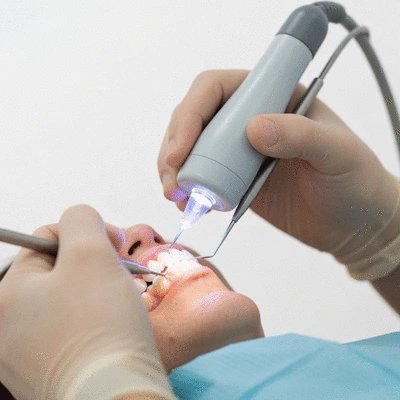
Finally, I use a UV light to cure the resin. This process hardens the material, securing it in place and ensuring durability. After curing, the bonded area is polished for a smooth, shiny finish that blends with your existing teeth! For more information on the effectiveness of light-curing methods, you can refer to research on photopolymerization in dental materials.
To help you visualize the entire dental bonding process, I recommend checking out this [infographic](#) that illustrates each step. Seeing the process can really demystify what happens during your appointment!
Did you know? Dental bonding not only enhances your smile but can also protect your teeth from further damage. By sealing cracks and chips, it prevents bacteria from entering, reducing the risk of decay. Regular touch-ups can maintain the longevity of your bonding, so be sure to consult with your dentist about the best care practices!
Dental bonding is a fantastic option for those looking to enhance their smiles with a non-invasive and cost-effective solution. This procedure can address minor imperfections such as chips, cracks, and gaps in your teeth, providing a natural-looking finish that blends seamlessly with your existing smile. Remember, the bonding process is quick and generally requires little to no anesthesia, making it a convenient choice for many patients.
As we've discussed, here are the main benefits of dental bonding:
In summary, dental bonding is not just about fixing a smile; it’s about boosting confidence and comfort in your appearance. If you're curious about how dental bonding can specifically benefit you, I encourage you to reach out and explore your options!
If you’re eager to learn more about how dental bonding can enhance your smile, don't hesitate to schedule a consultation at Fort Myers Smile Enhancements. I’m here to guide you through every step, ensuring you feel informed and comfortable with your choices. Together, we can discuss your unique needs and goals to determine if dental bonding is the right solution for you! Your journey towards a stunning smile is just a phone call away—let's make it happen!
Here is a quick recap of the important points discussed in the article:
[Insert a short professional or descriptive bio here.] This space is ideal for sharing a bit about the person's expertise, role, or approach. Keep it clear and engaging to convey
At Your Business Name, we are dedicated to delivering exceptional services that empower and inspire. Our mission is to help you succeed and achieve your goals with confidence.
123 Business Street, Your City