Oral Hygiene Essentials
Effective Brushing
- ✓ 2 mins, twice daily
- ✓ Gentle, circular motions
- ✓ Soft-bristled brush
Crucial Flossing
- ✓ Daily to prevent stains
- ✓ Gentle sawing motion
- ✓ Reaches brush-free areas
After investing time and effort into whitening your teeth, maintaining that bright smile is crucial. Understanding effective oral hygiene practices can help ensure your results last. Here’s a summary of essential strategies to keep your teeth shining bright!
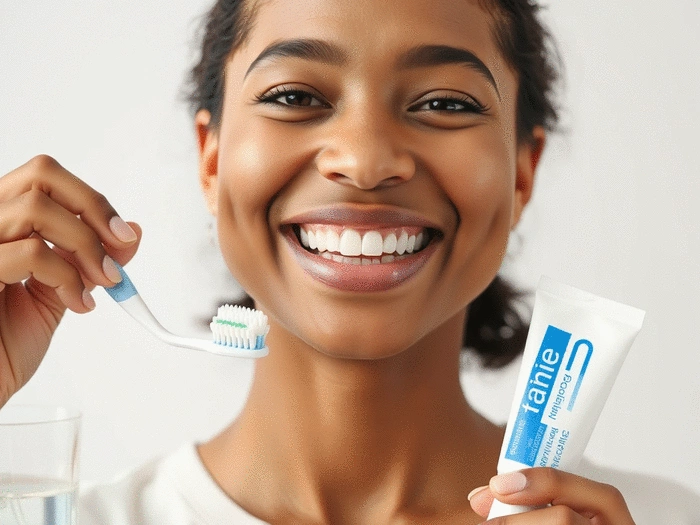
Maintaining a dazzling smile after whitening involves consistent daily care, mindful choices, and effective product use. This visual outlines the core pillars for long-lasting brightness. For more on how teeth whitening works, check out our guide on teeth whitening: how it works.
Foods & Drinks to Limit:
Whitening-Friendly Alternatives:
Maintenance Products:
Smart Habits:
Maintaining that bright smile after a whitening treatment is all about establishing effective daily routines. By focusing on solid oral hygiene practices, you can prolong the results of your whitening efforts. Let's dive into the essential strategies for keeping your teeth pearly white!
First things first: have you considered how your brushing technique affects your smile? It's not just about brushing regularly; it's about how you do it! A good brush can make a world of difference. Here are some effective techniques you should incorporate into your routine:
By following these tips, you’re not just keeping your teeth clean; you’re helping maintain their brightness too. Let's look at some specifics regarding your toothbrush and toothpaste choices.
Choosing a soft-bristled toothbrush is my top recommendation. It’s gentle on your enamel, especially after whitening treatments. Pair that with a whitening toothpaste that contains safe ingredients like hydrogen peroxide to enhance brightness without being harsh on your teeth.
Make sure to check the label and ensure your toothpaste is ADA-approved. This way, you can be confident it’ll effectively keep your teeth healthy and white!
Did you know that brushing too hard can actually damage your enamel? Using a light touch is key. Brush gently to avoid wearing down the protective layer of your teeth. Additionally, it's wise to wait at least 30 minutes after consuming acidic foods or drinks before brushing to protect your enamel from erosion.
By mastering your brushing technique, you're taking important steps to ensure your smile stays vibrant and healthy! You can learn more about protecting your dental health on our oral health blog.
Flossing is often overlooked, but it plays a crucial role in maintaining your whitening treatment results. By effectively removing plaque and food particles between your teeth, you help prevent stains from forming. Here’s why you shouldn’t skip this important step:
Let’s delve into how to floss correctly after whitening to maximize those benefits.
Flossing regularly can significantly minimize the risk of stain formation. When you remove food particles and plaque, you're less likely to develop discolorations, which is essential after whitening treatments. I recommend flossing at least once a day, ideally before bed. This helps keep your teeth in prime condition!
After whitening, it’s crucial to be gentle while flossing. Use a gentle sawing motion rather than forcing the floss between your teeth. Also, consider using waxed floss, as it glides more easily and is less likely to shred, making it easier on your newly treated teeth.
Incorporating these flossing practices into your daily routine will ensure your bright smile lasts longer!
After investing in your smile, you’ll want to protect it! Certain foods and drinks can undo your hard work. Here’s a list of offenders to keep an eye on:
By avoiding these items, you'll significantly enhance your chances of maintaining that radiant whiteness. Let’s take a closer look at how specific beverages impact your smile.
Coffee, tea, and red wine are notorious for leaving stains on teeth. This happens because they contain chromogens, which adhere to your enamel. If you can't resist these favorites, try to rinse your mouth with water afterward!
While they’re tasty, these beverages can make your teeth appear dull over time. Coffee and tea can also dry out your mouth, reducing saliva production, which is essential for neutralizing acids and washing away food particles. Moderation is key!
Tobacco is another major culprit when it comes to tooth discoloration. It not only stains your teeth but can also lead to gum disease and other oral health issues. If you smoke or chew tobacco, I encourage you to consider quitting. Your teeth will thank you!
Instead of reaching for those stain-causing foods, opt for healthy alternatives that support a brighter smile. Some great options include:
These foods not only promote overall health but can also help scrub away plaque. Eating crunchy fruits and vegetables increases saliva production, which naturally helps cleanse your mouth!
Incorporating a variety of fruits and vegetables into your diet can have wonderful benefits for your teeth. For example, strawberries contain malic acid, which naturally whitens teeth. Incorporating these options into your meals is a delicious way to maintain that bright smile.
Don’t forget about hydration! Drinking plenty of water helps wash away food particles and keeps your mouth moist. This is particularly important after consuming acidic or sugary foods, as it aids in neutralizing acids and protecting enamel.
Beyond what you eat and drink, here are some simple strategies to minimize stain risks:
These little adjustments can go a long way in preserving your bright smile and ensuring the longevity of your whitening treatment!
Using straws is an easy way to limit contact between staining beverages and your teeth. Plus, drinking ice water can help wash down any remnants that may cling to your enamel. A simple yet effective practice!
Chewing sugar-free gum after meals stimulates saliva production, which helps naturally clean your teeth. Opting for gum sweetened with xylitol can be particularly beneficial for oral health, as it inhibits the growth of cavity-causing bacteria. To further understand what causes discoloration, read our post on understanding tooth discoloration causes.
Investing in the right products can significantly help maintain your whitening results. Let’s explore a couple of essential items that can support your efforts:
Choosing the right products can be the difference between a dull smile and a brilliant one!
Whitening toothpaste and mouthwash can indeed be effective, but it’s important to select products with the right active ingredients, such as hydrogen peroxide and baking soda. These ingredients are known for their stain-removing properties.
Hydrogen peroxide is a common whitening agent used in many products. It works by breaking down stains on the surface of your teeth. Baking soda, on the other hand, helps to gently scrub away surface stains without being abrasive. Always read the label!
For best results, use whitening toothpaste as part of your routine, but don’t overdo it. You can incorporate it into your daily brushing routine about 2-3 times a week. This way, you’ll maintain your results without risking enamel damage.
Even with the best home care, you might still find yourself needing a touch-up. Professional whitening treatments can provide that extra boost when needed. Here are some circumstances when you might consider a follow-up:
Regular check-ups and consultations with a cosmetic dentist can help determine if a touch-up is right for you!
Custom whitening trays allow you to whiten your teeth at home, tailored specifically to your smile. If you’ve had professional whitening before, these trays may help maintain your results efficiently. They’re easy to use and can be a great option for quick touch-ups!
During a professional whitening session, you can expect thorough cleaning followed by the application of a whitening agent. The results are usually immediate and can last for several months. Discussing your goals with your dentist will help ensure you achieve the brightest smile possible.
After whitening, some people experience sensitivity. Understanding the causes and how to manage them is essential for a comfortable experience. Let's break this down:
Recognizing these factors is the first step in managing sensitivity effectively!
The whitening agents used during treatments can penetrate the enamel and irritate the nerves within your teeth, leading to sensitivity. Additionally, if you have previously weakened enamel, whitening may heighten this sensitivity.
Most whitening products contain peroxide, which can temporarily increase the porosity of enamel, allowing for sensitivity. This is why it’s crucial to follow up your treatment with good oral care practices to mitigate these effects.
Experiencing sensitivity? Here are some tips that might help alleviate it:
These strategies can help you enjoy the benefits of whitening without discomfort!
Fluoride treatments are great for strengthening enamel and helping with sensitivity. Your dentist can provide you with professional fluoride treatments or recommend over-the-counter options to help ease discomfort.
If sensitivity persists for more than a few days, it’s important to reach out to your dentist. They can guide you through potential solutions and ensure there are no underlying issues with your dental health. Remember, your comfort is a top priority!
Looking for ways to keep your teeth healthy using natural methods? There are several remedies and tips that can help maintain your smile:
Exploring these options provides a holistic approach to dental care while supporting your whitening efforts!
Natural ingredients like activated charcoal have gained popularity for their ability to absorb stains. Just remember to use them sparingly, as overuse can lead to enamel wear. Always consult with your dentist before trying new methods!
Studies suggest that certain home remedies, like coconut oil pulling or using peppermint essential oil, can support oral health. They help reduce bacteria and promote fresh breath while being gentle on your teeth. Have fun experimenting with what works best for you!
Incorporating oral health practices into your daily routine can make a significant difference. Here are a few practical lifestyle changes to consider:
By making these changes, you're not just caring for your teeth; you're fostering a healthy lifestyle for your entire family!
Establishing a consistent routine can help keep your teeth in peak condition. Regular visits to your dentist ensure that any potential issues are caught early, and it also allows for professional cleaning that can enhance the effects of your whitening treatments. For more information on maintaining your smile, visit our dental care guides.
Did you know that incorporating a tongue scraper into your daily routine can significantly enhance your oral hygiene? It helps remove bacteria and food particles from your tongue, which not only contributes to fresher breath but also aids in maintaining the brightness of your smile after whitening treatments. Make it a habit to scrape your tongue each time you brush!
You should continue to brush your teeth at least twice a day for two minutes each time, using gentle, circular motions with a soft-bristled toothbrush.
Absolutely! Flossing daily is crucial to remove plaque and food particles that can cause new stains, especially in areas your toothbrush can't reach.
To maintain your bright smile, limit consumption of stain-causing items like coffee, tea, red wine, dark berries, and soda. If you do consume them, rinse your mouth with water afterward or use a straw.
Yes, whitening toothpaste containing active ingredients like hydrogen peroxide or baking soda can help maintain your results. Use it 2-3 times a week as part of your brushing routine.
Consider a professional touch-up if you notice your teeth starting to fade, have an upcoming special event, or after consuming many staining foods and drinks. Custom whitening trays can also be used for at-home touch-ups.
To alleviate sensitivity, use toothpaste specifically formulated for sensitive teeth, consider fluoride treatments, and avoid very hot or cold foods and drinks for a few days post-treatment. If sensitivity persists, consult your dentist.
To maintain that stunning brightness after your teeth whitening treatment, we need to focus on a few essential daily care practices. Keeping up with effective brushing techniques, regular flossing, and being mindful of stain-causing foods is vital. It's all about establishing a routine that not only preserves your results but also enhances your overall oral health!
Here’s a quick recap of some of the strategies we’ve discussed:
These simple practices can help you keep that radiant smile shining bright! Plus, incorporating regular dental check-ups will ensure that you are on track with your oral health goals.
Think of your daily routine as a foundation for your dental health. Simple adjustments can make a significant difference in the longevity of your whitening results. For instance, always rinse your mouth with water after consuming stain-heavy foods or beverages. This tiny step can remarkably reduce the risk of staining!
Another adjustment could be to incorporate sugar-free gum into your day. Chewing gum can stimulate saliva production, which naturally helps to cleanse your mouth and neutralize acids. These small lifestyle changes can collectively contribute to maintaining that beautiful smile!
Your oral health is essential not just for aesthetics but also for your overall well-being. As I often tell my patients at Dentist Fort Myers, taking care of your teeth today means fewer complications down the road. Prioritizing a long-term care approach is the key to a healthy and vibrant smile!
Don't hesitate to reach out to us to discuss personalized strategies for your oral health. Whether it's a simple question or a need for professional whitening touch-ups, we’re here to support you on your journey! Understanding the duration of teeth whitening results can help set realistic expectations for your maintenance routine.
Creating a sustainable care approach may include scheduling regular visits to our clinic, where we can monitor your dental health and provide tailored advice. Regular cleanings and examinations can catch issues early and keep your smile at its best.
With consistent care and a commitment to your oral hygiene routine, you're setting yourself up for success. Remember, it’s never too late to start investing in your smile!
I would love to hear from you! Have you tried any of the whitening techniques we discussed? Your experiences can inspire others and foster a community of shared knowledge. Feel free to drop by our office or share your thoughts on social media. Let’s keep the conversation going and help each other achieve our best smiles!
[Insert a short professional or descriptive bio here.] This space is ideal for sharing a bit about the person's expertise, role, or approach. Keep it clear and engaging to convey
At Your Business Name, we are dedicated to delivering exceptional services that empower and inspire. Our mission is to help you succeed and achieve your goals with confidence.
123 Business Street, Your City