Bonding vs. Veneers: Key Differences
Have you ever considered how a small change in your smile can have a big impact on your confidence? Understanding the options available to enhance your smile is crucial to making the best choice for your needs. Let's dive into the essential insights about dental bonding and veneers!
What You Will Learn
- Dental bonding is a quick, cost-effective solution for minor imperfections like chips and gaps.
- Veneers provide a durable and aesthetically pleasing option for more significant cosmetic issues.
- Composite resin used in dental bonding is customizable for color and shade to match natural teeth.
- Porcelain veneers offer stain resistance and a natural appearance but come at a higher cost.
- Lumineers present a less invasive alternative to traditional veneers, often requiring no tooth alteration.
- Both procedures have pros and cons that should be carefully considered based on individual needs.
Comparing Dental Bonding and Veneers
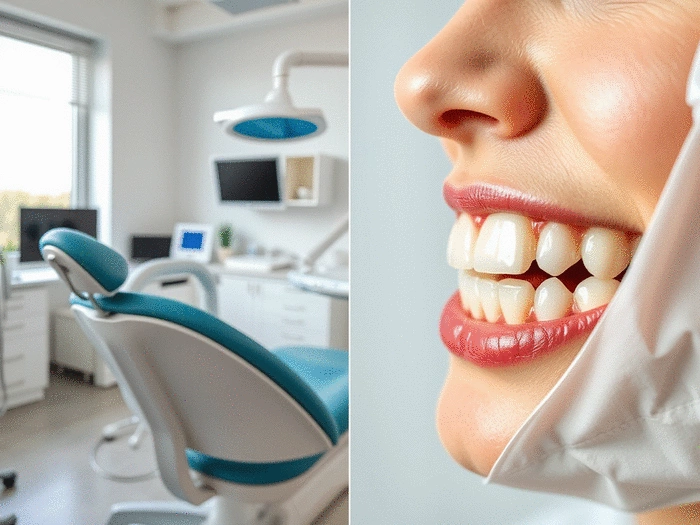
This visual highlights the key differences and similarities between dental bonding and veneers, two popular cosmetic dental procedures, to help you make an informed decision.
Dental Bonding: Quick & Cost-Effective
A cosmetic procedure involving tooth-colored resin to repair minor imperfections like chips, gaps, or discoloration. Often completed in one visit.
- Material: Composite Resin
- Procedure Time: Typically < 1 hour
- Cost: More cost-effective
- Durability: Less durable than veneers
Ideal for minor fixes.
Veneers: Durable & Aesthetically Superior
Thin shells (porcelain or composite) covering tooth surfaces for significant issues like severe stains or misshapen teeth. Requires custom fabrication.
- Material: Porcelain (common), Composite
- Procedure Time: 2 visits (custom creation)
- Cost: Higher investment
- Durability: Highly durable and stain-resistant
For comprehensive transformations.
Bonding: Pros & Cons
- Pros: Quick procedure, cost-effective, ideal for small imperfections.
- Cons: Less durable than veneers, may stain over time.
Veneers: Pros & Cons
- Pros: Excellent aesthetic results, long-lasting, fixes major issues.
- Cons: More expensive, requires tooth alteration, not reversible.
Understanding Dental Bonding and Veneers: A Comprehensive Overview
When it comes to enhancing your smile, understanding your options is crucial! At our practice here in Fort Myers, we often discuss dental bonding and veneers with our patients. Both are effective cosmetic dental procedures, but they serve different purposes and come with unique benefits. This guide will walk you through each option, ensuring you have all the information you need to make an informed decision.
What Is Dental Bonding?
Definition and Procedure of Dental Bonding
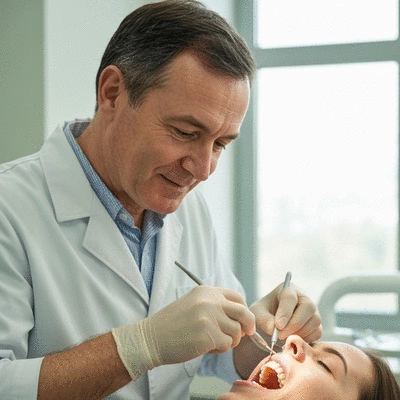
Dental bonding is a cosmetic procedure that involves applying a tooth-colored resin material to repair or improve the appearance of your teeth. This technique is particularly useful for addressing minor imperfections such as chips, gaps, or discoloration. The process is straightforward and typically takes less than an hour, making it a popular choice for those seeking quick results! For more detailed information on this procedure, check out our guide on understanding dental bonding techniques.
During the procedure, we first prepare your tooth by cleaning it and applying a conditioning liquid. This helps the bonding material adhere better. Then, the composite resin is applied, shaped, and polished to match the surrounding teeth. The result is a seamless blend that enhances your smile!
Materials Used in Dental Bonding (Composite Resin)
At our office, we use high-quality composite resin for dental bonding. This material is not only durable but also customizable in terms of color and opacity, allowing us to achieve the best match for your natural teeth. Composite resin is a versatile option, offering excellent aesthetics while also being cost-effective compared to other procedures.
- Durable and long-lasting
- Can be easily repaired if damaged
- Available in various shades for a perfect match
By choosing dental bonding, you're opting for a solution that can enhance your smile without extensive treatment. It's an excellent way to achieve quick results!
What Are Veneers?
Definition and Procedure of Dental Veneers
Veneers, on the other hand, are thin shells made from porcelain or composite resin that are designed to cover the front surface of your teeth. They are ideal for addressing more significant cosmetic issues, such as severely stained or misshapen teeth. The procedure typically requires two visits to our office, as we’ll need to create custom veneers tailored specifically to your smile. If you're considering this option, you might find our beginner's guide to dental veneers very helpful.
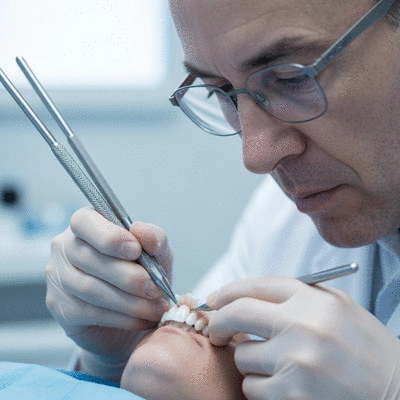
Initially, we will prepare your teeth by removing a small amount of enamel. This step is crucial for ensuring that the veneers fit perfectly and look natural. We then take impressions of your teeth, which will be sent to a lab for fabrication. Once your custom veneers are ready, we’ll bond them to your teeth, creating a gorgeous and lasting transformation!
Materials Used in Veneers (Porcelain)
Most of our patients prefer porcelain veneers due to their durability and natural appearance. Porcelain is stain-resistant and mimics the light-reflecting properties of natural teeth, leading to a beautiful, lifelike result. While they may come at a higher cost than dental bonding, many find that the longevity and aesthetic appeal of porcelain veneers are worth the investment.
- Highly resistant to stains
- Long-lasting with proper care
- Natural appearance that blends seamlessly
In summary, veneers are an excellent choice for those seeking a more comprehensive solution for cosmetic dental issues. They offer transformative results that can significantly enhance your smile.
Understanding Lumineers: A Less Invasive Alternative
For patients looking for a less invasive option, Lumineers are a fantastic alternative to traditional veneers. They are ultra-thin and can often be placed without any tooth reduction, making them a more comfortable choice for some patients. If you're curious about whether Lumineers might be suitable for you, feel free to ask during your consultation!
In conclusion, both dental bonding and veneers serve unique purposes in cosmetic dentistry, and understanding their differences will help you choose the best option for your needs. At our practice, we're dedicated to helping you achieve the smile of your dreams!
Pro Tip
Consider combining dental bonding and veneers for an enhanced smile makeover! While bonding is great for minor imperfections, veneers can address more significant issues. Discuss with your dentist how these options can work together to achieve your desired smile transformation.
Frequently Asked Questions About Dental Bonding and Veneers
What is the main difference between dental bonding and veneers?
Dental bonding uses a tooth-colored resin applied directly to the tooth to fix minor imperfections, typically in one visit. Veneers are custom-made, thin shells (usually porcelain) that cover the front surface of teeth to address more significant cosmetic issues, requiring at least two visits.
Which procedure is more cost-effective?
Dental bonding is generally more cost-effective than veneers.
How long does dental bonding last compared to veneers?
Dental bonding is less durable than veneers and may need touch-ups or replacement sooner. Porcelain veneers are highly durable and can last for many years with proper care.
Are veneers reversible?
No, traditional veneers are not reversible because a small amount of tooth enamel must be removed to ensure a proper fit. Lumineers, a less invasive alternative, often do not require tooth alteration and may be reversible.
Can dental bonding and veneers be combined?
Yes, in some cases, dental bonding and veneers can be combined to achieve an optimal smile makeover, with bonding addressing minor issues and veneers tackling more significant cosmetic concerns.
What are Lumineers?
Lumineers are ultra-thin veneers that often require no tooth reduction before placement, making them a less invasive and potentially reversible alternative to traditional porcelain veneers.
Summarizing the Key Takeaways on Dental Bonding and Veneers
As we wrap up our discussion on dental bonding and veneers, it's important to reflect on the essential points we've covered. Each option has its own strengths and weaknesses that cater to different dental needs and aesthetic preferences. Understanding these differences can help you make a more informed choice for your smile transformation!
Both procedures offer significant benefits, but they also come with considerations that should not be overlooked. Let’s break down the pros and cons for each option to aid in your decision-making process.
Pros and Cons Recap for Each Dental Option
- Dental Bonding: Quick procedure, cost-effective, ideal for small imperfections.
- Veneers: Excellent aesthetic results, long-lasting, can fix major cosmetic issues.
- Bonding Cons: Less durable than veneers, may stain over time.
- Veneers Cons: More expensive, requires tooth alteration, not reversible.
Choosing the right option depends on your unique situation, including your dental condition, budget, and aesthetic goals. Be sure to consider how each choice aligns with your long-term expectations!
Making an Informed Decision on Your Dental Treatment
Before making a final decision, I always recommend discussing your options with a qualified dentist. They can provide insights tailored to your dental health and aesthetic desires. At Dentist Fort Myers, we’re here to guide you through this process, ensuring you feel confident in your treatment choice! For more insights into cosmetic options, you can visit our resources on cosmetic dental treatments.
It’s helpful to weigh not only the aesthetic outcomes but also the long-term implications, such as maintenance and potential tooth alteration. A well-informed choice can lead to a happier smile!
Next Steps: Consultation and Further Resources
Now that you have a better understanding of dental bonding and veneers, the next step is to take action. It all begins with a consultation to assess your dental needs and discuss the best options for your smile.
Here’s how you can prepare for your upcoming dental consultation:
How to Prepare for Your Dental Consultation
- Make a list of any questions you have regarding bonding and veneers.
- Bring any previous dental records or x-rays if possible.
- Be ready to discuss your dental goals and concerns.
Having a clear agenda will help ensure you get the most out of your consultation. The more informed you are, the better decisions you can make!
Where to Find Reliable Dental Services for Bonding and Veneers
When seeking trustworthy dental services for bonding and veneers, look for practices that emphasize patient education and have a strong track record in cosmetic dentistry. At Dentist Fort Myers, we pride ourselves on providing personalized care and will help you navigate your cosmetic options.
Patient Education Resources on Cosmetic Dentistry
We also encourage you to explore our online resources for more information on these procedures. Our goal is to empower you with knowledge, making the dental journey a seamless experience. Check out our website for articles and tips related to cosmetic dentistry that can enhance your understanding! You can also find valuable insights on achieving a perfect smile through patient stories and experiences. For specific information on reasons to consider dental bonding, explore our detailed article.
Recap of Key Points
Here is a quick recap of the important points discussed in the article:
- Dental Bonding: A quick and cost-effective procedure ideal for minor imperfections such as chips and gaps.
- Veneers: Thin shells that provide a more comprehensive solution for significant cosmetic issues, requiring more time and investment.
- Composite Resin: Used in dental bonding, it is durable, customizable, and offers a good aesthetic match to natural teeth.
- Porcelain Veneers: Known for their natural appearance and stain resistance, providing a long-lasting aesthetic result.
- Lumineers: A less invasive alternative to traditional veneers that can often be placed without tooth reduction.
- Consultation: Always discuss your options with a qualified dentist to ensure an informed decision tailored to your dental health and aesthetic goals.