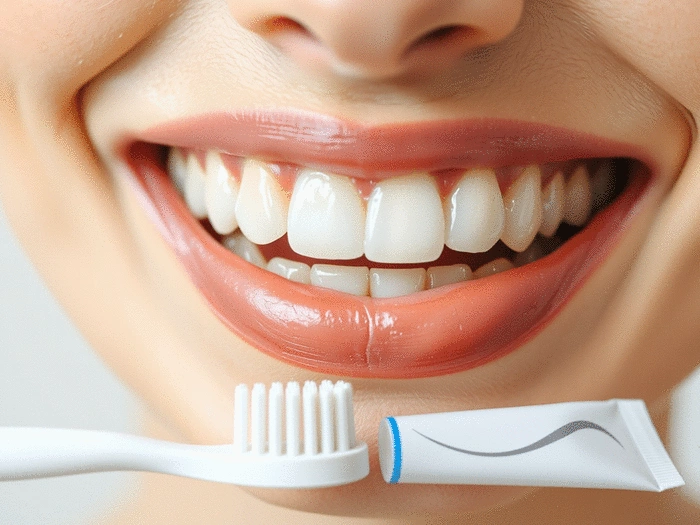
Daily Oral Hygiene
- ✓ Soft-bristled toothbrush & fluoride toothpaste
- ✓ Gentle flossing with waxed floss
- ✓ Alcohol-free mouthwash
Essential for preventing plaque buildup and discoloration.
Did you know that maintaining your dental bonding can significantly extend its lifespan? Understanding the aftercare is just as important as the procedure itself!
Maintaining your dental bonding is crucial for its longevity. Below are the essential areas to focus on for optimal aftercare, ensuring your smile stays healthy and vibrant.
Essential for preventing plaque buildup and discoloration.
Crucial for the first 48 hours and long-term prevention of chipping/staining.
Ensures early detection of issues and additional protection for your bonding.
Protects against mechanical damage and premature wear of the bonding material.
Dental bonding is a popular cosmetic dentistry procedure that enhances the appearance of your smile. It involves applying a tooth-colored resin to your teeth, which is then hardened using a special light. This process can address various issues, such as chips, cracks, or discoloration, and can significantly improve your overall dental aesthetics. Understanding the benefits of dental bonding is crucial for ensuring the longevity of your results.
As someone who has undergone bonding, I can attest to its effectiveness! However, it's important to remember that proper care is essential to keep your bonded teeth looking their best.
Dental bonding provides a quick and non-invasive way to enhance your smile. The resin used in this procedure is not only versatile but also highly effective in correcting imperfections. Some key benefits include:
In my experience, many patients find dental bonding an excellent solution for minor cosmetic issues. It’s always exciting to see how a simple procedure can transform someone’s confidence!
After receiving dental bonding, it's essential to practice proper aftercare. This ensures that the bonded material adheres well and remains intact. Neglecting post-bonding care can lead to chipping or discoloration of the bonding material, negating its benefits. To understand more about the materials and techniques involved, you might find understanding dental bonding techniques helpful.
To maintain your dental bonding, consider these essential tips:
These simple steps can greatly enhance the longevity and appearance of your bonded teeth, helping you enjoy your beautiful smile for years to come!
To keep your dental bonding in top shape, adopting the right brushing techniques is vital. I always recommend using a soft-bristled toothbrush paired with fluoride toothpaste. This helps protect the resin while effectively cleaning your teeth.
Remember to brush gently around the bonded areas to avoid any wear or damage to the material. Following these tips can make a significant impact on how long your bonding lasts!
Flossing is just as important as brushing, especially for those with bonding. Using a gentle sawing motion can help you maneuver around the bonded teeth without causing any harm. I suggest using waxed floss, as it glides more easily between teeth.
These strategies can make flossing more effective and help maintain the integrity of your dental bonding.
Not all mouthwashes are created equal—especially when it comes to bonded teeth. I recommend selecting an alcohol-free mouthwash to avoid drying out the bonding material. Look for options that contain fluoride to further protect your teeth.
Additionally, rinsing with the right mouthwash can help reduce plaque and maintain a fresh breath without compromising your bonding.
Dental sealants can be a fantastic complement to your dental bonding. These thin coatings protect the surfaces of your teeth, guarding against decay and stains. If you're considering sealants, be sure to ask your dentist about how they can enhance your bonding results. For more insights on maintaining your bright smile, explore our guide to maintaining a healthy smile.
Incorporating sealants into your oral care routine can provide an extra layer of protection, ensuring your smile remains healthy and vibrant!
What aspect of dental bonding aftercare do you find most challenging? Share your thoughts below:
With proper care, dental bonding can last anywhere from 3 to 10 years before needing repair or replacement. Its longevity is significantly influenced by your oral hygiene habits and dietary choices.
Immediately after the procedure (first 48 hours), avoid hard or sticky foods like nuts, hard candies, and caramels. Long-term, it's best to limit staining agents such as coffee, tea, and red wine to prevent discoloration.
The bonding material itself does not respond to traditional teeth whitening treatments. If you plan to whiten your natural teeth, it's generally recommended to do so before getting bonding, so the dentist can match the resin to your newly whitened teeth. If your bonded teeth become stained, they may need to be polished or replaced.
Yes, flossing is crucial for maintaining oral hygiene around bonded teeth. Use a gentle sawing motion with waxed floss to avoid dislodging or damaging the bonding material. Always be gentle and avoid aggressive flossing.
Always use a soft-bristled toothbrush and fluoride toothpaste. For mouthwash, choose an alcohol-free option to prevent drying out the bonding material, and ideally one that contains fluoride for added protection.
As we come to the end of our comprehensive guide on dental bonding aftercare, it's essential to remember the key takeaways. Maintaining your bonded teeth is crucial for their longevity and effectiveness. From daily oral hygiene practices to dietary choices, every little bit counts in preserving the integrity of your dental work.
We discussed various aspects of aftercare, including brushing techniques, flossing methods, and the importance of avoiding certain foods. By following these guidelines, you can ensure that your smile remains healthy and vibrant! For further reading on the expected lifespan of your dental work, consider our article on dental bonding longevity explained.
I encourage you to take charge of your dental care routine! Implementing the practices we've covered can make a significant difference in the lifespan of your dental bonding. Remember to regularly brush with a soft-bristled toothbrush and fluoride toothpaste, and to floss carefully around your bonded areas.
By integrating these practices into your daily life, you empower yourself to maintain not just your bonded teeth, but your overall dental health. Your smile deserves the best care!
For those looking to delve deeper into dental care, I recommend checking out some specialized resources. Consider visiting your dentist for personalized advice tailored to your specific needs. They can provide recommendations on products that complement your dental bonding and help you maintain optimal oral hygiene. For more detailed information on maintaining aesthetic dental work, you can visit our esthetic dentistry care tips.
Remember, staying informed is key to ensuring the longevity of your dental work. Your smile is a reflection of your health and well-being—let's keep it shining bright! If you have any questions or concerns, don’t hesitate to reach out to us at Dentist Fort Myers. We’re here to support you every step of the way!
Here is a quick recap of the important points discussed in the article:
[Insert a short professional or descriptive bio here.] This space is ideal for sharing a bit about the person's expertise, role, or approach. Keep it clear and engaging to convey
At Your Business Name, we are dedicated to delivering exceptional services that empower and inspire. Our mission is to help you succeed and achieve your goals with confidence.
123 Business Street, Your City