Did you know that dental bonding can rejuvenate your smile in just one visit? This quick and effective cosmetic procedure not only addresses imperfections but also boosts your confidence. Let’s dive into what you can learn about dental bonding and how it can transform your teeth.
What You Will Learn
Dental bonding is a versatile procedure used to repair chips, cracks, and discolorations in teeth.
The process involves a consultation, shade selection, tooth preparation, application, and curing of resin material.
Choosing the right composite resin shade is essential for achieving a natural look in dental bonding.
Dental bonding is a cost-effective and non-invasive treatment option for restoring your smile.
Understanding your dental insurance coverage can help you plan for the costs associated with bonding procedures.
How Dental Bonding Works: The Procedure Explained
A step-by-step explanation of the dental bonding process, from consultation to curing, highlighting key considerations for each stage.
1. Consultation & Needs Assessment
Thorough assessment of your dental needs and smile goals to determine if bonding is suitable. This initial step is similar to the detailed planning involved in digital smile design in dentistry, ensuring a customized approach.
2. Shade Selection
Careful matching of composite resin color to your natural teeth for a seamless appearance.
3. Tooth Preparation
Gentle roughening of enamel to enhance resin adhesion and ensure long-lasting results.
4. Resin Application & Shaping
Applying and sculpting the bonding material to achieve the desired aesthetic and shape.
5. Curing the Resin
Utilizing a special light to harden the composite resin, ensuring a strong and durable bond.
Understanding Dental Bonding: What You Need to Know
Dental bonding is a popular procedure in cosmetic dentistry that can significantly improve the appearance of your smile. It involves the application of a tooth-colored resin to repair imperfections like chips, cracks, or discoloration. This procedure not only enhances the aesthetic appeal of your teeth but also strengthens them, making it a valuable option for many patients.
At Dentist Fort Myers, we understand that a beautiful smile can boost your confidence. That’s why we strive to provide comprehensive information on dental bonding and its purpose in modern dentistry. Whether you're looking to correct minor flaws or just curious about the process, we’re here to help!
Defining Dental Bonding and Its Purpose
Dental bonding is essentially a cosmetic procedure that involves adhering a tooth-colored resin material to your teeth. This method is commonly used for a variety of reasons, including:
Repairing chipped or cracked teeth
Covering discolored teeth
Improving the shape of teeth
Filling gaps between teeth
The significance of dental bonding lies in its ability to provide a quick and effective solution for those seeking to enhance their smiles without undergoing extensive treatments. Our team at Dentist Fort Myers can help you decide if this is the right option for you!
How Dental Bonding Works: The Procedure Explained
Understanding how dental bonding works can help ease any concerns you may have about the procedure. Here’s a step-by-step explanation of the process:
Consultation: We start with a thorough consultation to assess your needs.
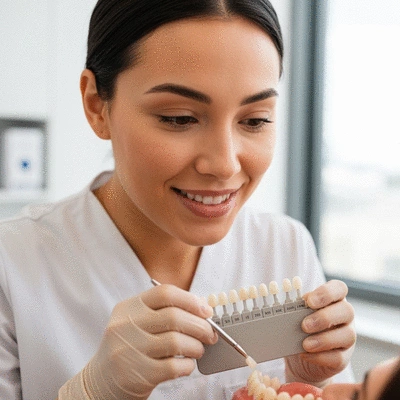
Shade Selection: Choosing the right composite resin shade is crucial for a natural look.
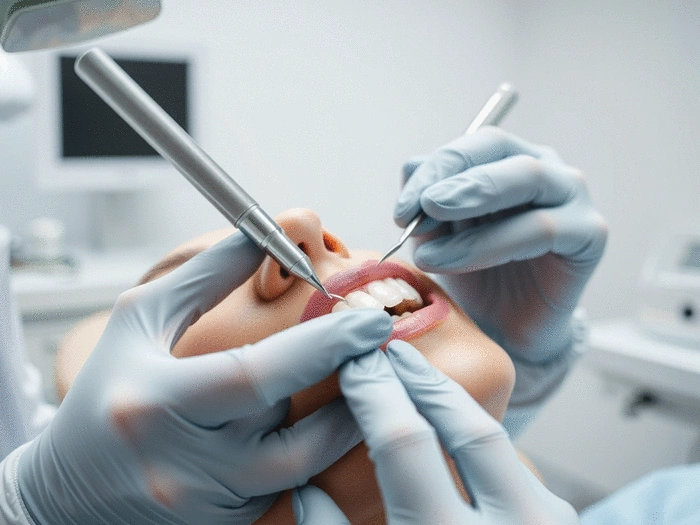
Tooth Preparation: The tooth surface is prepared, which may include roughening the enamel.
Application: The bonding material is applied and shaped to your desired look.
Curing: Finally, a special light is used to harden the resin material.
This straightforward procedure can typically be completed in just one visit to our office. It’s a great choice if you're looking for efficient results without the need for extensive dental work! For a deeper dive into the specific methods used, explore our article on understanding dental bonding techniques.
Selecting the Right Composite Resin Shade
Choosing the right shade for your dental bonding is essential for achieving a seamless, natural appearance. At Dentist Fort Myers, we take the time to match the resin color closely with your existing teeth. This personalized attention ensures that your smile looks as natural as possible.
During your appointment, we will guide you through the selection process and provide recommendations based on your tooth color, ensuring a perfect match!
Preparing the Tooth Surface for Bonding
Preparing the tooth surface is a crucial step in the bonding process. Our team will gently roughen the enamel to create a better surface for the resin to adhere to. This preparation not only improves the bond but also ensures that the resin lasts longer.
Additionally, we consider the dentin beneath the enamel, ensuring the bonding material is applied in a way that maximizes strength and durability.
Applying and Curing the Dental Bonding Material
Once the tooth is prepared, we apply the composite resin directly to the surface of the tooth. After shaping it to match your natural teeth, we use a special UV light to cure the material, solidifying it and ensuring a strong bond.
This curing process is quick, allowing you to leave our office with an improved smile in a single visit.
Dental Bonding for Tooth Repair: Addressing Common Issues
Dental bonding has proven to be an effective solution for repairing chipped and cracked teeth. It's a versatile treatment that can address several common issues, making it an essential part of restorative dentistry.
Many patients choose bonding due to its immediate results and minimal invasiveness. Whether you're dealing with a minor chip or a more significant crack, bonding can restore the structural integrity and appearance of your teeth, helping you smile confidently again! This is a great alternative for those who might otherwise consider options like dental veneers for similar cosmetic concerns.
Pro Tip
To ensure the longevity of your dental bonding, consider avoiding hard foods and using a soft-bristled toothbrush. Regular dental check-ups can also help maintain your bonding and overall dental health!
Final Thoughts on Dental Bonding and Its Benefits
As we wrap up our discussion on dental bonding, it's clear that this procedure offers a variety of advantages for those seeking cosmetic enhancements. From its affordability to its non-invasive nature, dental bonding is a popular choice among patients looking to improve their smiles. Additionally, we explored how it effectively addresses common dental issues, making it a versatile option for many.
In summary, dental bonding can be an excellent solution for those with minor imperfections. Whether you're dealing with chipped teeth or looking to enhance your smile, understanding the full scope of this procedure can help you make informed decisions about your oral health.
Is Dental Bonding Right for You?
When considering if dental bonding is the right choice for you, think about your specific dental needs. It’s always best to consult with a qualified dentist to discuss your options. Here at Dentistry Fort Myers, we encourage you to schedule an appointment to evaluate how dental bonding can fit into your treatment plan!
Are you looking for a cost-effective solution?
Do you have minor chips or cracks in your teeth?
Are you interested in a quick and painless dental treatment?
These questions can guide your consultation and help you understand if dental bonding aligns with your goals for a healthier, more beautiful smile.
Questions to Ask Your Dentist About Dental Bonding
To make the most out of your dental bonding consultation, consider asking your dentist the following important questions:
What is the expected lifespan of my dental bonding?
How much will the dental bonding procedure cost?
What care do I need to maintain my dental bonding?
Are there any alternatives I should consider?
Asking these questions can provide clarity and help you prepare for the procedure, ensuring you feel comfortable and confident in your decision.
Understanding Dental Insurance for Bonding Procedures
Dental insurance coverage can vary significantly when it comes to bonding procedures. Some plans may cover a portion of the cost, while others may not. It's essential to review your policy details or speak with your insurance provider to understand what is covered.
Additionally, consider these factors when planning your treatment costs:
Does your plan include cosmetic procedures?
What is your deductible, and how much of it is met?
Are there specific providers you must use for coverage?
Being informed about your dental insurance can help you effectively plan for any out-of-pocket expenses related to bonding procedures. For more detailed information on managing dental costs, check out our dental insurance guide or visit our blog on cosmetic dental treatments for a broader perspective.
Recap of Key Points
Here is a quick recap of the important points discussed in the article:
Dental bonding is a cosmetic procedure used to repair imperfections like chips, cracks, and discoloration.
The bonding process involves consultation, shade selection, tooth preparation, application, and curing.
Choosing the right composite resin shade is essential for a natural look.
Dental bonding is an effective and non-invasive solution for restoring the appearance of damaged teeth.
Consult with a qualified dentist to determine if dental bonding is the right option for your specific needs.
Frequently Asked Questions About Dental Bonding
Q: What is dental bonding?
A: Dental bonding is a cosmetic dental procedure that involves applying a tooth-colored composite resin material to your teeth to repair chips, cracks, discoloration, or to improve the shape and close gaps between teeth.
Q: How long does the dental bonding procedure take?
A: Dental bonding is typically a quick and efficient procedure that can often be completed in a single visit to the dentist's office, usually within 30 to 60 minutes per tooth.
Q: Is dental bonding a painful procedure?
A: No, dental bonding is generally not painful. It's a minimally invasive procedure that usually doesn't require anesthesia, especially if the bonding is being applied to the enamel.
Q: How long does dental bonding last?
A: With proper care, dental bonding can last anywhere from 3 to 10 years before needing to be repaired or replaced. Longevity depends on factors like oral hygiene, eating habits, and whether you grind your teeth.
Q: What are the benefits of dental bonding?
A: Key benefits include its affordability compared to other cosmetic procedures, its non-invasive nature, quick results, and its effectiveness in addressing a variety of cosmetic dental issues such as chips, cracks, gaps, and discoloration.
Q: How do I care for my bonded teeth?
A: To care for bonded teeth, practice good oral hygiene by brushing twice daily and flossing once a day. Avoid biting on hard foods or objects, and try to limit staining foods and drinks. Regular dental check-ups are also crucial for maintaining the bonding and overall dental health.
Q: Is dental bonding covered by insurance?
A: Dental insurance coverage for bonding procedures can vary. Some plans may cover a portion of the cost, especially if it's considered a restorative procedure (e.g., repairing a chipped tooth). It's best to check with your insurance provider directly to understand your specific benefits.
Author
[Team Member Name]
[Insert a short professional or descriptive bio here.] This space is ideal for sharing a bit about the person's expertise, role, or approach. Keep it clear and engaging to convey
Author
[Team Member Name]
[Insert a short professional or descriptive bio here.] This space is ideal for sharing a bit about the person's expertise, role, or approach. Keep it clear and engaging to convey
At Your Business Name, we are dedicated to delivering exceptional services that empower and inspire. Our mission is to help you succeed and achieve your goals with confidence.